
My Aunt's Swimming Pool
building from a memory.

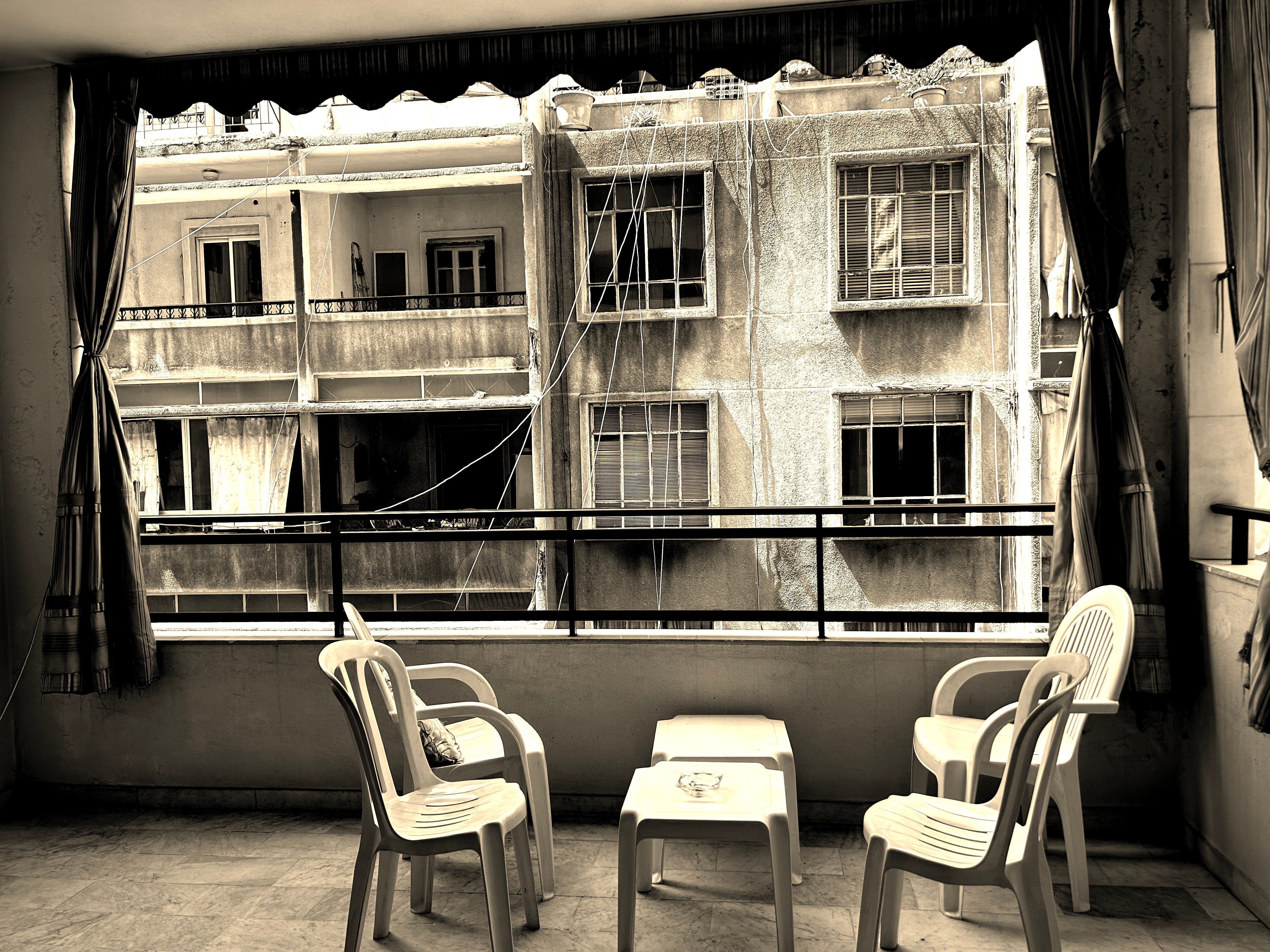
I do not know if I will see my aunt’s house again. Or her gardens that smelled of gardenias and jasmine. Some days I fear I’ll only see her in the mirror. I do not know when I will see Lebanon again. It was supposed to be September, but another wave of bombs and occupation has displaced my family once again. This time I fear it might be permanent. My father’s attitude has changed. He says he doesn’t know, when he used to say they will be fine. Al Jazeera echoes through the home all day behind his office doors.
We visited Lebanon often in my upbringing. When the occupation left the south in 2000, I was there. I don’t remember it, but my mother tells me that the last of the jets flew low above us, shaking the ground as they left. My mothers tears baffled me. I was too young, and thought they were just planes most likely. A little over a year later, we visited again. This time, I would remember the check points. The guns. And the beach.


It was rare that my jiddo left the family home in Nabatieh, but Naqoura was open to civilians again. We had to go. So we packed our lunches, and our sun tan oil, and we went to the beach. I was in the trunk of one of the cars with my mom, the rest of the seats overfilled with family and cigarettes. I looked out the back and watched the ribbon of concrete Beirut pass by. The apartment blocks stacked on top of one another, functioning businesses on the ground floors of crumbling buildings, the dated luxury apartment complexes towering beside ruins. Mopeds zipped through the frustrated traffic, with fathers carrying wives and three children, or sometimes three children driving themselves. I thought it was the coolest thing, and couldn’t understand why I couldn’t have a moped of my own.
Past the suburbs, the landscape begins to breathe. It becomes a combination of mountainous terrain and limestone ridges. The terrain has a dryness to it, a bleached and ancient quality. The sea on the right never seems to be the same blue twice. Sometimes it’s turquoise, and tempting. Other times, it’s a deep and restless navy. Some areas of the freeway are commercial — bakeries and clothing shops, gas stations and mahals for a roadside coffee. Then the orchards around Saida. The fruit stands that overflow with offerings. There’s a glimpse of the lush potential of the landscape. South of Sidon, the land flattens. The sky gets bigger, the sun harsher. The Mediterranean scrubland takes over with low thorny bushes, wild fennel and surviving olive trees. And the checkpoints along the way. Soldiers with big guns and serious faces pointed into the car, inspecting. My parents always told me to be quiet during these stops.


Eventually, we hit Naqoura. After over eighteen years, my jiddo could put his feet in the same waters from his youth. I don’t remember much about the beach itself. I remember it was a little cloudy for a beach day. I remember the pita and manoushe wrapped in foil, and falafel and varying dips in tupperware. I remember my family shouting over each other in excitement for the day. I was annoyed at the lack of sand and abundance of rocks on the beach. I was big on building sandcastles.
I remember my jiddo standing in the water for a long time. The bottom of his khakis rolled to his knees, his slides clasped between his fingers in one hand. He looked to the horizon and said nothing. I didn’t understand at the time. I couldn’t understand what it meant to be from a place that could be taken from you.
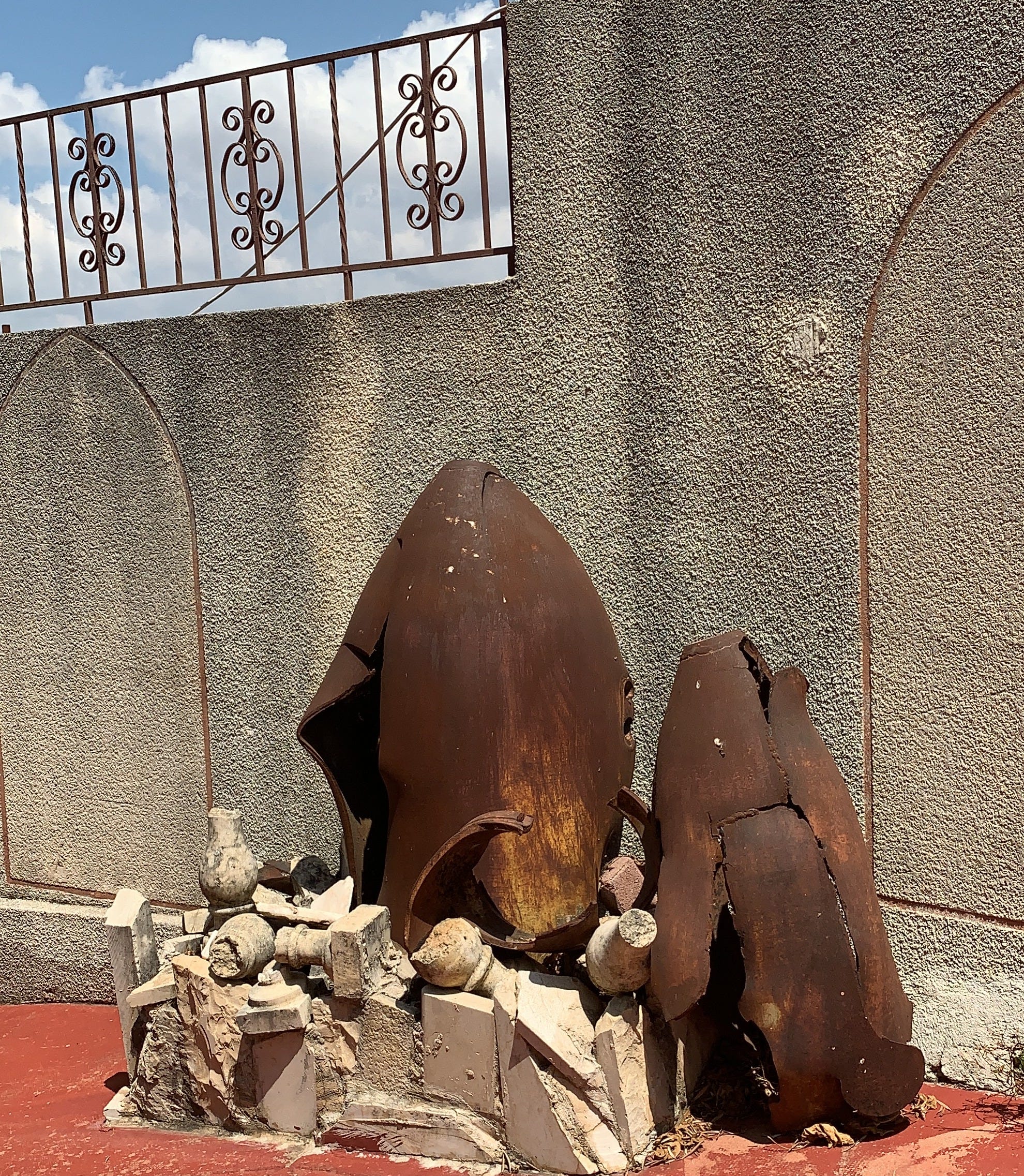
The bombs have come again. They rain on the same south, the same hills, the same villages. My family have been forced to evacuate from their homes in the South to Beirut, but it isn’t too much safer there. Whenever I ask how they are, they tell me that they are surviving. The family group chat never stops. Destroyed buildings, prodigious clouds of black smoke, rockets shooting through the air. Prayers. The south that opened up to us is closing once more. The last time my Aunt’s house was destroyed, she put a swimming pool in the crater. Insh’Allah, they do not give her another one.
I think about my jiddo at the water’s edge and I wish I had stood beside him. I wish I knew to take off my shoes and let the rocks shift between my toes like he did. I’d have let the water move over my feet and distort my reflection. I would have looked at the horizon with him and understood that this was not just a beach day. I would have understood that this was his return. That this would be his last.
I had a conviction about only hugging my jiddo, but not kissing him. He had too many hairy moles on his face and scratchy stubble when you got close, and I was a stubborn child. I would sit on his lap, and wrap my arms around his neck, with my head craned dramatically away from his cheek.


For my family and for Lebanon,
I miss you. I love you. I am thinking of you always. Insh'Allah, we go back. Insh'Allah, there is something to go back to.